

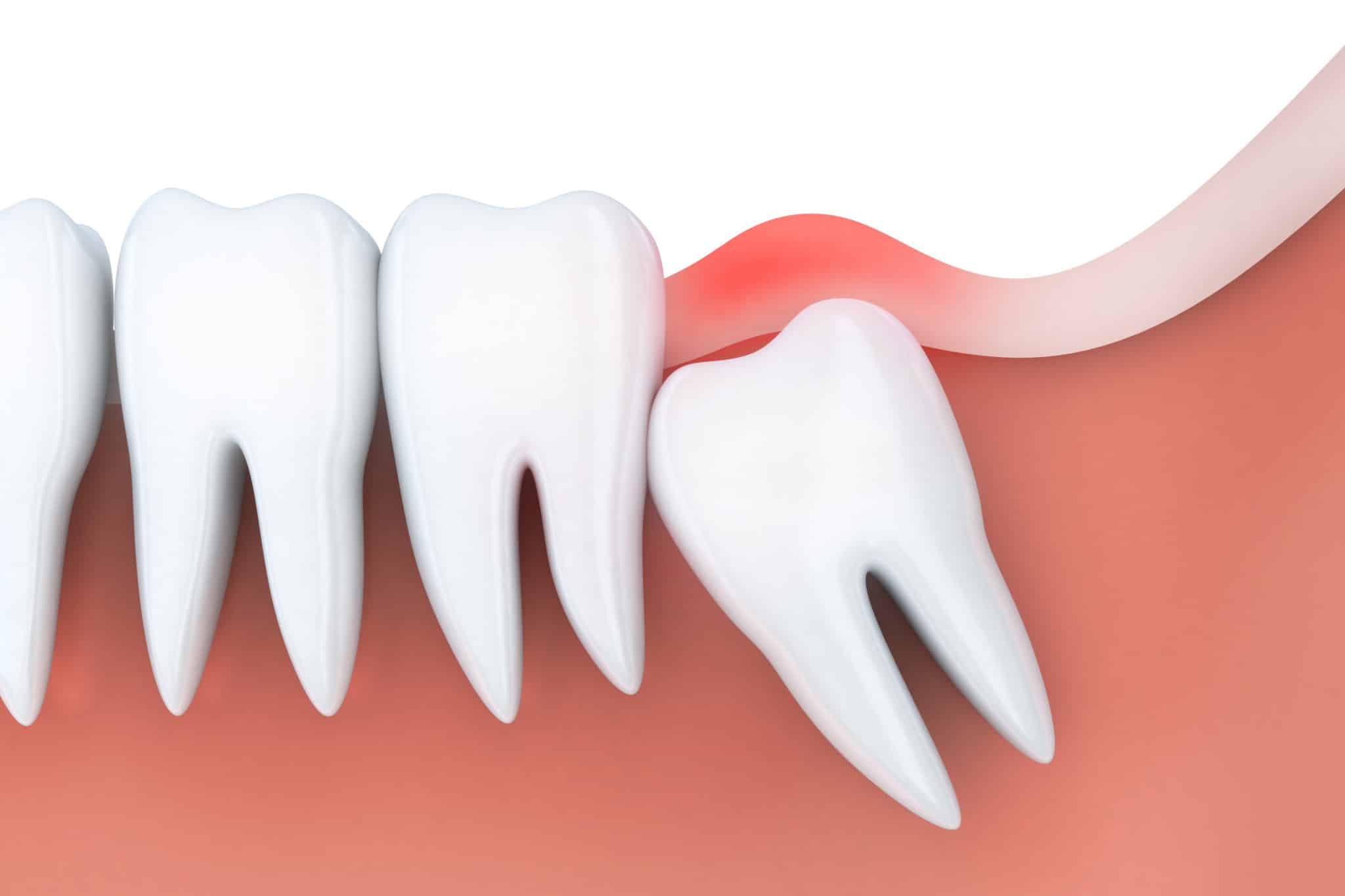
Wisdom teeth are our last set of molars, typically erupting between 17-25 years of age. Some people will have no problems with their wisdom teeth, but many others experience some issues with them. This is why it is important to know the right time to take action for wisdom teeth removal. Many times, your dentist in Brandon will recommend removing wisdom teeth before they cause pain or dental damage. Timing is key to preventing future dental problems.
What Are Wisdom Teeth and What Issues Do They Cause?
Wisdom teeth are the third set of molars in the back portion of your mouth. Most people have four wisdom teeth, but a smaller number may have fewer or none at all. Because wisdom teeth erupt so much later than the other teeth, there may be insufficient space for these molars to enter correctly.
When wisdom teeth do not have room, they can:
- Erupt at the wrong angle
- Be completely under the gums
- Push on other teeth
- Cause pain or swelling
This is why the wisdom teeth removal procedure is often indicated between the late teen years and early twenties, when the roots are not completely developed.
What Indicates the Need to Extract Wisdom Teeth?
You might not notice problems right away, but there are common signs you need wisdom teeth removed, including:
- Soreness or pain in the back of your mouth
- Red or bleeding gums near your back molars
- Jaw stiffness or difficulty opening your mouth
- You have a bad taste in your mouth or bad breath.
- Crowding or shifting of nearby teeth
If you notice any of these signs, it is important to visit your dentist. Even if your wisdom teeth are not causing pain, they could still lead to future issues if not monitored.
Is It Better to Remove Wisdom Teeth Early?
Yes, in most cases, it is better to remove wisdom teeth early. When you are younger, your bones are softer and healing is faster. This makes the wisdom teeth removal procedure easier and lowers the risk of complications. An extended period of waiting may cause the roots to enlarge and approach other teeth or nerves.
Removing wisdom teeth before they cause pain or infection can help you avoid more complex procedures later.
What Is the Wisdom Tooth Extraction Process Like?
Your dentist will take X-rays to check the position of your wisdom teeth. If removal is needed, you may be referred to an oral surgeon, or the dentist may do the procedure in the office.
The procedure usually involves:
- Numbing the area with local anesthesia
- Accessing the tooth by creating a tiny hole in the gums
- Removing the tooth, sometimes in pieces
- Closing the area with stitches if needed
You will be given instructions on how to care for your mouth after surgery.
What Should You Expect During Wisdom Tooth Extraction Recovery?
The wisdom tooth extraction recovery process typically lasts about one to two weeks. Most people feel back to normal after a few days, but full healing takes a little longer.
Here are some basic recovery tips:
- Use ice packs to reduce swelling
- Eat soft foods like yogurt or mashed potatoes
- Avoid using a straw or spitting forcefully
- Take pain medications as prescribed
- Keep the area clean by rinsing gently with salt water
If you follow your dentist’s instructions, healing should go smoothly.
What Happens If You Do Not Remove Problem Wisdom Teeth?
Leaving impacted or crowded wisdom teeth can lead to serious problems, including:
- Tooth decay in the surrounding molars
- Gum infections or cysts
- Jaw pain or damage to nearby teeth
- Shifting of your bite or crowding of other teeth
That is why dentists often recommend removing them before these issues begin.
Book Your Appointment for a Healthier Smile
If you or your child is between 17 and 25, it may be time to evaluate your wisdom teeth. Taking action early can prevent future dental issues and protect your smile.
Book an appointment with Westend Dental today to discuss your options for safe and effective wisdom tooth removal.


