

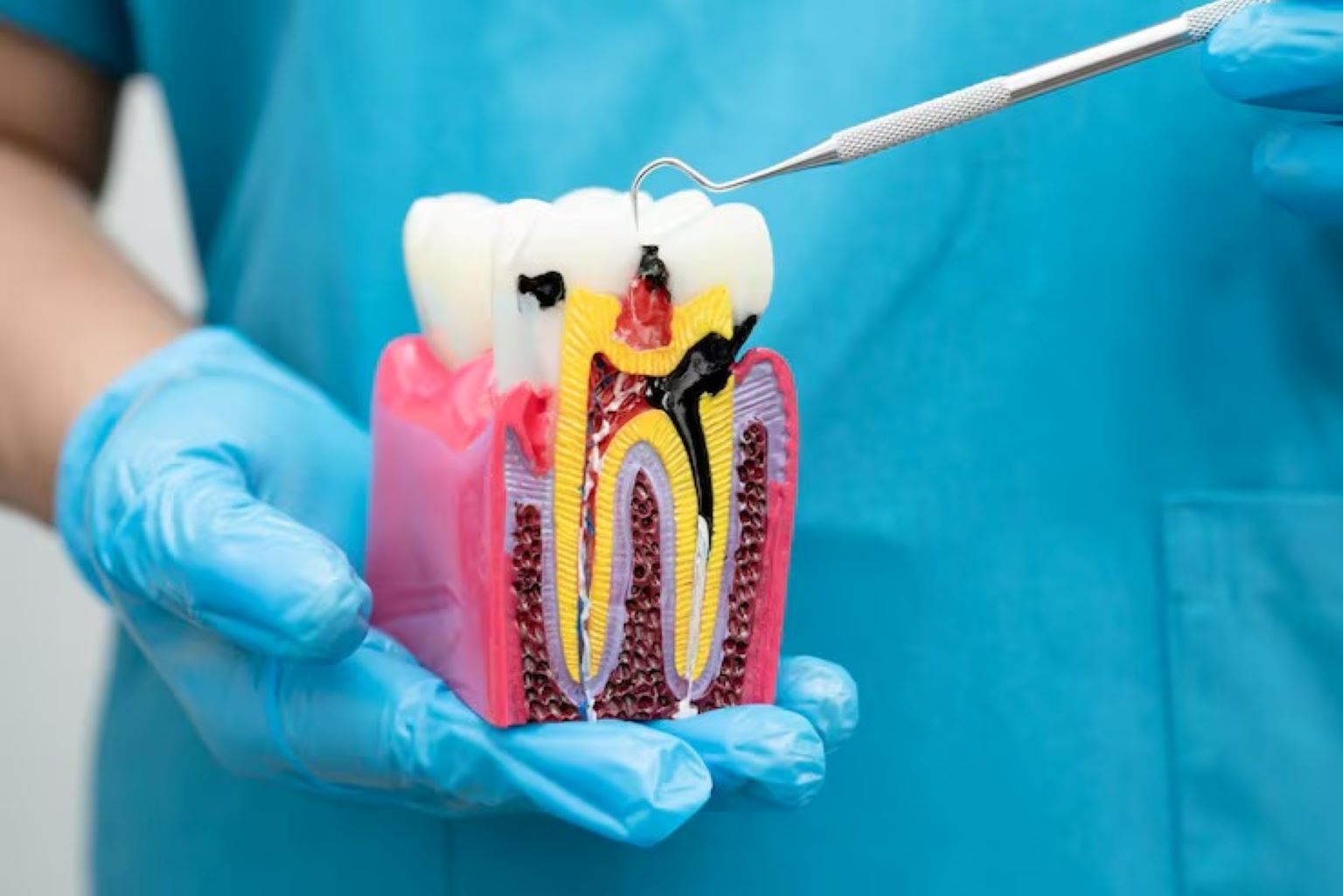
Root canals are one of the best ways to save your natural teeth, even though hearing that you might need one can be scary. When a tooth is badly broken or infected, it usually only has one choice: extraction.
With root canal treatment in Brandon, patients have a chance to retain their natural teeth, avoid gaps in their smiles, and, potentially, even limit more serious oral health problems.
In this blog post, we are going to talk about how root canals work, what they are and why they are important, and what to expect.
What Is a Root Canal, and Why Is It Needed?
Root canal therapy is a dental treatment used to treat infections inside teeth. Pulp is the soft tissue inside each tooth that contains nerves and blood vessels.
Poor tooth structure, deep cavities, or injuries can cause the pulp to become affected or injured. It could be very painful if the pulp is affected.
Once infected, and if untreated, the infection can enter the tooth root, spread into the jawbone, and may require tooth extraction. If you don’t treat affected teeth, they can lead to an abscess or even worse (swelling in the jaw or tooth loss).
The aim of the root canal is to remove the infected pulp, clean the tooth and seal it, restoring health and function.
What are the Advantages of Root Canal Treatment
A root canal not only treats pain but also protects your smile in the long term. Here are some possible benefits you can take away from having root canal treatment:
- Prevents extraction – No need for extraction or replacement options.
- Prevents spreading infection – Stops bacteria from spreading to other teeth and the jawbone.
- Restores chewing and biting ability – The tooth can function as it did before.
- Cost-effective compared to extraction – Saving the tooth will usually prevent more costly replacements like implants or bridges.
- Protect jawbone health – Maintaining natural roots reduces resorption within your jawbone, helping to maintain bone density and structure.
Root canal is not merely a way to get you through a single tooth restoration; it is a way to save you from the actual long-term negative impact on your overall oral health.
How Root Canals Compare to Tooth Extraction
| Root Canal | Tooth Extraction |
| Saves natural tooth | Removes the tooth completely |
| Maintains chewing strength and bite alignment | May cause shifting of nearby teeth |
| Less need for replacement treatments | Replacement options (implant, bridge, denture) are often required |
| Shorter recovery and lower long-term cost | Higher cost over time with replacements |
| Prevents bone loss around the tooth | Can lead to jawbone shrinking at the site |
This table shows how dentists will always recommend saving a tooth through a root canal if it is a viable option.
What is the Role of a Dental Clinic in Brandon
Finding the right dental clinic in Brandon makes the process much easier to endure. At a dental clinic near you, skilled dentists will perform a root canal with their care and great tools to fully repair the tooth.
A trusted clinic will perform the same anesthetic, diagnostic and restoration procedures and assist you to incorporate a crown for tooth protection.
A clinic with a trusted reputation can guide you in any aftercare and assist in ensuring you do not have any complications during proper post-operative management of your tooth, so you can continue to care for it for many years.
What to Expect During a Root Canal
Knowing the process helps reduce anxiety. Here are the general steps:
- Examination and X-rays – Your dentist checks the extent of infection.
- Local anesthesia – Numbing ensures you don’t feel pain during treatment.
- Accessing the pulp – A small opening is made to reach the infected tissue.
- Cleaning and shaping – The infected pulp is removed, and the canals are cleaned.
- Filling and sealing – A special material seals the inside of the tooth.
- Restoration – A crown or filling is placed to protect the tooth and restore function.
Most patients return to daily activities within a day, and any soreness usually fades quickly.
Aftercare and Recovery
You might feel some mild pain for a few days after getting a root canal. Usually, over-the-counter painkillers are enough to take care of this. To keep your tooth healthy for a long time:
- Do not chew on the tooth that has been fixed until a crown is put on it.
- As always, brush and floss your teeth.
- Go to follow-up visits to make sure you’re healing properly.
- To keep your teeth healthy, you should see your dentist regularly.
A tooth that has had a root canal can last a lifetime if you take good care of it afterward.
Wrapping Up!
Root canals should not need to be feared. They are a successful way to retain natural teeth and, more importantly, stop infections. Root canals, when compared to extraction, preserve the integrity of your smile by keeping the strength and function of your mouth healthy!
At Chancellor Dental, we provide root canal therapy that respects the comfort of the patient and the long-term oral health of your mouth. If you are experiencing tooth pain or signs of infection, sooner rather than later.
Call us today to schedule a consultation and help to protect your natural smile before it’s no choice.


