

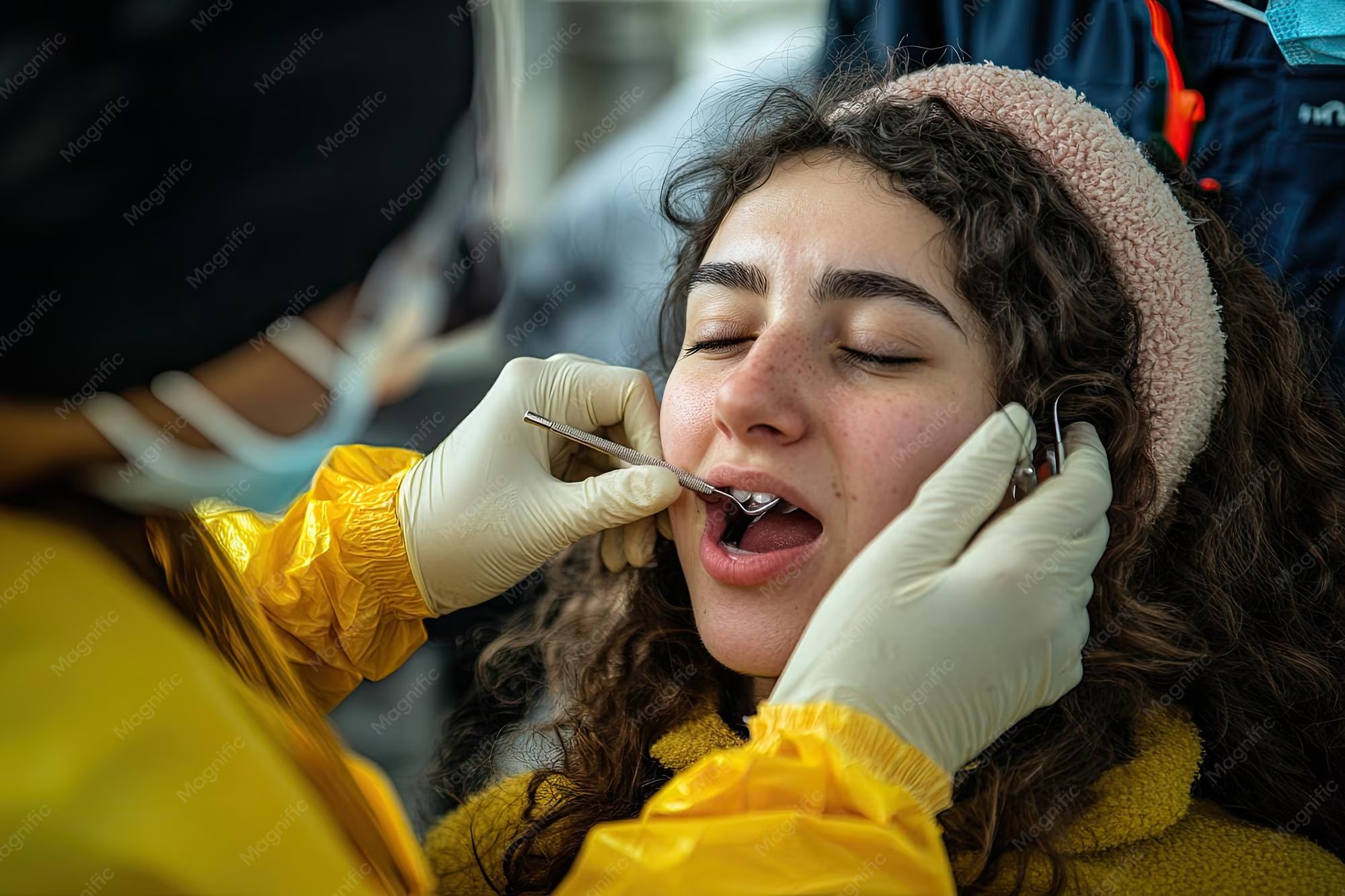
A healthy smile is about more than just straight teeth. While many people seek orthodontic care to fix a crooked grin, the way your upper and lower teeth meet is just as important. If you are searching for a reliable dental clinic in Brandon, you likely know that misaligned teeth can cause discomfort. Poor jaw alignment, often called a malocclusion, can lead to headaches, uneven tooth wear, and difficulty chewing.
Braces can correct crooked teeth, gaps, and misaligned bites. When pressure is applied slowly and steadily over time, teeth shift, and the jaw is guided into place.
Understanding Jaw Misalignment
The jaw is a complex system of bones, muscles, and joints. When the upper and lower teeth do not fit together correctly, it puts extra strain on the temporomandibular joint (TMJ). This can result in several common issues:
- Overbites: Where the upper teeth overlap the lower teeth excessively.
- Underbites: Where the lower teeth sit in front of the upper teeth.
- Crossbites: Where some upper teeth sit inside the lower teeth.
- Open Bites: Where the front teeth do not touch when the mouth is closed.
How Traditional Braces Correct the Bite
Many patients wonder how braces fix jaw alignment when the brackets are only glued to the teeth. The process is quite scientific. Braces work by using a system of brackets, archwires, and often elastics (rubber bands).
The force the archwire exerts can move the teeth, while the “pull” the elastics provide can shift the jaw. For instance, if you have an overbite, elastics are attached to the front top of the braces and the back bottom. The continuous, gentle tension gradually promotes a forward movement of the lower jaw and a backward movement of the upper teeth.
This comprehensive orthodontic treatment for jaw issues ensures that your mouth functions as a single, harmonious unit.
Benefits of Better Jaw Alignment
Correcting a bad bite does more than improve your profile. It protects your long-term oral health. When your jaw is aligned, you experience:
- Reduced Tooth Wear: Teeth that clash unevenly tend to chip and crack over time.
- Better Digestion: Properly aligned teeth grind food more effectively.
- Clearer Speech: Certain speech impediments are caused by the tongue hitting the teeth incorrectly.
- Pain Relief: Aligning the jaw can reduce chronic facial pain and tension headaches.
Comparison of Alignment Fixes
| Feature | Traditional Braces | Clear Aligners |
| Movement Control | High (allows for complex root and jaw shifts) | Moderate (best for mild to moderate gaps) |
| Compliance | Fixed (works 24/7 without patient effort) | Removable (requires 22 hours of daily wear) |
| Severe Malocclusion | Excellent for major bite corrections | May require supplemental attachments |
| Durability | Strong metal or ceramic components | Thin plastic trays |
Why Choose Traditional Braces
While there are many modern options for teeth straightening, traditional braces Brandon residents often choose are still the “gold standard” for complex jaw cases. Because the brackets are bonded to the teeth, the dentist has maximum control over every movement. This is particularly helpful for younger patients whose jaws are still growing, as the braces can guide that growth effectively.
The Long-Term Investment
Choosing to fix your jaw alignment is an investment in your future. It prevents the need for more invasive dental work later in life, such as crowns or even jaw surgery. Most patients find that once their braces are removed, they not only have a beautiful smile but also a much more comfortable bite.
Wrapping Up
With a great deal of patience, one can get a perfectly aligned jaw with results that will change your life. It’s not just about looking good with a straight smile, but also about ensuring your teeth are properly aligned. It will help you ensure your teeth last a lifetime and prevent pain or wear. Are you suffering from discomfort? Is your bite unpleasant? Chancellor Dental can guide you on your options if you’re struggling with a bad bite. We offer personalized care for every patient. Get in touch with us today to book an appointment at our clinic and take the first step towards a healthier, more confident smile.
Frequently Asked Questions
How long does it take for braces to fix a misaligned jaw?
Most patients wear braces for eighteen to twenty-four months, depending on the severity of their specific jaw alignment issues.
Do jaw alignment rubber bands hurt to wear?
You may feel slight pressure or soreness initially, but your mouth quickly adjusts to the gentle tension of the elastics.
Can adults use traditional braces for jaw correction?
Yes, adults can successfully move their teeth and improve their bite, though the process may take longer than in children.
Will my face shape change after getting braces?
Improving a significant overbite or underbite can create a more balanced profile and enhance the appearance of your jawline.
Do I need surgery in addition to my braces?
Most jaw issues are corrected with braces alone, though very severe skeletal imbalances might require a combination of both treatments.


