

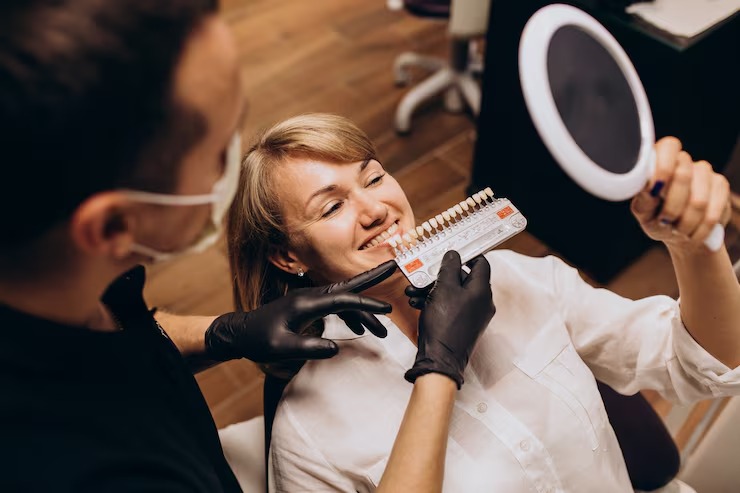
When a tooth is cracked or decayed, a dental crown serves as a vital “cap” to restore its function. Choosing the right material, whether porcelain, ceramic, or metal, affects both the strength and appearance of your smile.
If you are consulting a dentist in Brandon, you will find that modern restorative dentistry offers solutions tailored to your unique needs.
As you search for dental crowns near you, understanding these materials ensures your restoration feels comfortable and looks natural for years to come.
The Aesthetic Appeal of Porcelain and Ceramic
Porcelain and ceramic crowns are the top choices for visible teeth when you speak or smile. They are celebrated for their ability to mimic the light-reflecting properties of natural enamel.
- All-Ceramic Crowns – These are metal-free and offer the most lifelike translucency, making them ideal for front teeth.
- Porcelain-Fused-to-Metal (PFM) – This hybrid features a metal core for strength, topped with a porcelain layer. While durable, a faint dark line may eventually appear at the gum line.
- Pressed Ceramic – These have a hard inner core and are capped with porcelain, providing a tougher alternative to standard ceramic while maintaining high aesthetic quality.
Selecting the Best Type of Dental Crown for You
When patients ask about the best type of dental crown, the answer depends on where the tooth is located and how much biting pressure it faces. There is no one-size-fits-all material; instead, there is a right fit for your specific lifestyle and dental health.
Zirconia has become a premier choice because it combines the “indestructible” nature of metal with the white colour of ceramic. For those who prioritise the appearance of their front teeth, E-max (lithium disilicate) is often preferred for its superior translucency.
Your choice should balance the need for a beautiful look with the long-term durability required for daily use.
Maximum Strength with Metal Restorations
Metal crowns remain a staple in dentistry due to their extreme resilience. These are usually made from gold, palladium, or high-noble alloys.
- Unmatched Durability – Metals are highly resistant to chipping and breaking, even under intense grinding or clenching habits.
- Conservative Fit – Metal is strong even when thin, allowing your dentist to keep more of your natural tooth structure.
- Gentle on Teeth – Metal alloys wear at a rate similar to natural enamel, making them gentle on the teeth they bite against.
- Ideal Placement – Because of their distinct gold or silver colour, these are best suited for the back teeth, where they aren’t visible.
Which Dental Crown Is Best for Molars?
The back of the mouth presents a unique challenge because molars bear the most pressure during chewing. When considering which dental crown is best for molars, strength is the most critical factor to prevent cracking.
Many dentists recommend gold or zirconia for these areas. Gold is arguably the most reliable functional choice, offering a perfect seal that can last decades. Zirconia is an excellent alternative for patients who want a tooth-coloured molar that remains strong enough to withstand heavy forces.
These materials ensure that your restoration won’t fracture under the stress of daily eating.
Maintaining Your New Dental Restoration
No matter which material you choose, the lifespan of your crown depends on your daily hygiene habits. While the crown itself cannot decay, the natural tooth underneath is still at risk.
- Daily Hygiene – Brush twice daily and floss carefully around the base of the crown to protect the gums.
- Protective Gear – If you grind your teeth at night, a custom nightguard is essential to prevent the crown from wearing down.
- Professional Checkups – Regular visits allow your dental team to ensure the crown remains securely bonded and the surrounding tissue stays healthy.
Restoring Your Function and Confidence
Choosing the right crown is a vital step in protecting your long-term oral health. Whether you choose the natural beauty of ceramic or the unmatched strength of metal, a custom restoration will help you eat and smile with ease.
At Chancellor Dental, we are committed to providing high-quality solutions that fit your lifestyle. Our team is here to help you find the perfect restoration for your unique needs.
Contact us today to schedule your consultation and start your journey to a healthier smile.
Frequently Asked Questions
How long does a dental crown typically last?
On average, a crown lasts 10 to 15 years, though materials like gold or zirconia can last a lifetime with excellent care.
Is the procedure for getting a crown painful?
No, the tooth is numbed with local anaesthesia during the process, so you will feel no pain, though mild sensitivity is normal for a few days after.
Can a dental crown be whitened later?
No, the materials used for crowns do not change colour with whitening gels, so it is important to choose your desired shade before placement.
What should I do if my crown feels loose?
Contact your dentist immediately; a loose crown can trap bacteria and lead to decay in the natural tooth structure beneath.


