

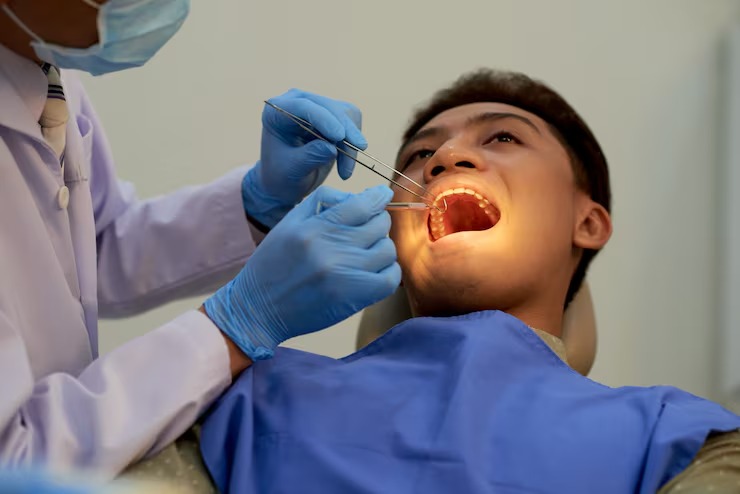
Deciding to pull a tooth is never a first choice for a dentist. Most dental professionals work hard to save your natural smile using fillings, crowns, or root canals. However, there are specific situations in which keeping a tooth does more harm than good. If you are visiting a dental clinic in Brandon, your dentist will perform a physical exam and take X-rays to see what is happening beneath the gum line before suggesting an extraction.
Understanding Tooth Extractions
A tooth extraction is the complete removal of a tooth from its socket in the jawbone. While it might sound intimidating, modern dentistry makes the process quick and comfortable. Dentists usually recommend this path when a tooth is damaged beyond repair or when it threatens the health of your surrounding teeth and gums.
Common Reasons for Extraction
There are several scenarios in which tooth extractions in Brandon are the most predictable way to restore your oral health. Here are the primary reasons why a dentist might suggest saying goodbye to a tooth:
- Crowding: Sometimes, a mouth is too small for all the teeth. This is common with wisdom teeth or before starting orthodontic treatment, such as braces.
- Trauma: A bad fall or sports injury can crack a tooth deep into the root, where a crown cannot fix it.
- Risk of Infection: If a patient has a weakened immune system due to other medical treatments, even a small risk of infection may warrant removal.
- Periodontal Disease: Gum disease can loosen the tissues and bones that support the teeth. If the foundation is gone, the tooth cannot stay.
Severe Decay and Damage
When a cavity is left untreated for too long, it can eat through the enamel and into the tooth’s deeper structure. A severe tooth decay extraction is necessary when there isn’t enough healthy tooth structure left to hold a filling or a dental crown. At this stage, the decay may have reached the roots, making the tooth a constant source of pain and a “home” for harmful bacteria.
Dealing with Infections
An infected tooth removal is often an emergency procedure. When bacteria reach the pulp-the center of the tooth containing nerves and blood vessels—it causes an infection. If a root canal cannot clear the infection, the tooth must be removed to prevent the bacteria from spreading to the jawbone or other parts of the body. Signs of a serious infection include:
- Severe throbbing pain in the jaw or neck.
- Swelling in the cheek or gums.
- A persistent bad taste in the mouth.
- Sensitivity to hot and cold temperatures.
Comparison of Treatment Options
The following chart outlines how dentists decide whether to save or remove a tooth based on the level of damage found during an exam.
| Condition | Recommended Treatment | Goal of Procedure |
| Small Cavity | Dental Filling | Restore the Surface |
| Large Crack | Dental Crown | Protect the Structure |
| Infected Pulp | Root Canal | Save the Natural Root |
| Deep Root Fracture | Tooth Extraction | Stop the Pain and Spread |
| Impacted Wisdom Tooth | Surgical Removal | Prevent Crowding |
What to Expect During Recovery
After the procedure, your body needs time to heal. Your dentist will give you a piece of gauze to bite on to help a blood clot form. This clot is very important because it protects the empty socket while the bone heals. For the first 24 hours, you should rest, avoid using a straw, and stick to soft foods like yogurt or applesauce. Most people feel back to normal within a few days, though the bone takes a few months to fill back in.
Conclusion
At Chancellor Dental, we put your comfort and long-term oral health first. By utilizing the latest technology, our team ensures every procedure is accurate and painless. Count on us for the best-quality care in an inviting environment, whether you need a regular check-up or a treatment for a bothersome tooth. Don’t allow dental pain to rob you of a better life. Call us today to arrange an appointment. We will help you achieve a healthier, more beautiful smile for life.
Frequently Asked Questions
Is tooth extraction painful?
No, dentists use local freezing to numb the area completely. You will feel some pressure, but you should not feel pain.
How long does it take to heal?
Initial healing takes about one to two weeks. However, the bone and gum tissue will continue to settle for months.
Can I drive home after the procedure?
Usually, yes. If you only receive local freezing, you are fine to drive. If you choose sedation, you need a ride.
What can I eat after tooth removal?
Stick to soft foods like soup, pudding, and mashed potatoes. Avoid crunchy or spicy foods for at least one full week.
Do I need to replace the tooth?
It is often recommended to get an implant or a bridge. This prevents your other teeth from shifting out of place.


