

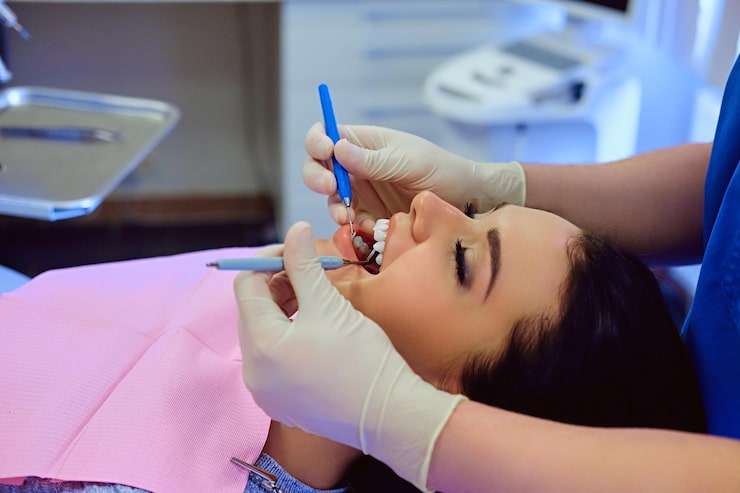
Your smile is often the first thing people notice about you. So when your teeth are stained or discoloured, it can affect how confident you feel every single day. The good news is that there are simple, effective solutions available. If you are looking for a dental clinic near you that offers cosmetic dental solutions, dental bonding is one option that is worth understanding properly. It is affordable, quick, and works well for many types of tooth discoloration.
What Is Tooth Discoloration?
Tooth discolouration simply means your teeth have changed colour from their natural shade. This is very common and can happen to anyone.
There are two main types:
Surface Stains (Extrinsic Discoloration)
These stains sit on the outside of the tooth. They are usually caused by:
- Coffee, tea, and red wine
- Tobacco use
- Certain foods like berries and tomato-based sauces
- Poor brushing habits over time
Deep Stains (Intrinsic Discoloration)
These stains are inside the tooth itself. They are harder to treat with regular whitening. Common causes include:
- Certain antibiotics taken during childhood
- Too much fluoride during tooth development
- Trauma or injury to the tooth
- Natural ageing of the tooth
- Root canal treatment that has changed the tooth colour
Surface stains can often be improved with whitening treatments. But deep, internal stains are where dental bonding becomes a much more practical solution.
What Is Dental Bonding?
Dental bonding is a cosmetic dental procedure. A tooth-coloured resin material is applied directly to the surface of the tooth. It is then shaped carefully and hardened using a special light.
The result is a smooth, natural-looking surface that covers discoloration completely.
Dental Bonding in Brandon is a trusted and popular option for patients looking to improve the appearance of stained or discoloured teeth without extensive treatment. It is one of the most straightforward cosmetic procedures available at a dental clinic today.
Here is a simple breakdown of what the process looks like:
- Consultation — your dentist examines the tooth and discusses your goals
- Surface preparation — the tooth is lightly roughened to help the resin bond properly
- Resin application — the composite material is applied and carefully shaped
- Hardening — a special curing light bonds the resin firmly to the tooth
- Polishing — the tooth is polished to look smooth and natural
The whole procedure usually takes between 30 to 60 minutes per tooth. No anaesthesia is needed in most cases.
Why Dental Bonding Works So Well for Discoloration
Dental bonding works by covering the discoloured area completely. Unlike whitening treatments, it does not try to lift the stain. It places a new, clean surface over the top.
This makes it especially effective for:
- Teeth that have not responded to whitening treatments
- Intrinsic stains that go deep into the tooth structure
- Single discoloured teeth that stand out from the rest
- Teeth discoloured from old fillings or previous dental work
- Teeth with uneven colour that whitening cannot fully correct
The resin used in bonding is colour-matched carefully to your surrounding teeth. When done well, it blends in naturally and looks completely seamless.
Dental Bonding vs Teeth Whitening—Which One Is Right for You?
This is one of the most common questions patients ask. Both treatments improve the appearance of discoloured teeth—but they work in very different ways.
| Factor | Dental Bonding | Teeth Whitening |
| Best for | Deep or intrinsic stains | Surface or extrinsic stains |
| How it works | Covers the discoloured area | Lifts and bleaches stains |
| Treatment time | 30 to 60 minutes per tooth | Varies by method |
| Results | Immediate | Gradual or immediate |
| Longevity | Several years with care | Requires repeat treatments |
| Suitable for all stains | Yes, including deep stains | No, not effective on deep stains |
| Cost | Moderate | Generally lower |
The right choice depends on the type of discoloration you have and your overall dental goals. Your dentist will help you decide which option makes the most sense for your situation.
What Are the Benefits of Dental Bonding?
Beyond just covering stains, dental bonding offers a range of advantages:
- Quick results — improvement is visible in a single appointment
- Minimally invasive — very little tooth structure is removed
- No downtime — you can go about your day immediately after
- Natural appearance — the resin is matched closely to your tooth shade
- Versatile — it also fixes chips, cracks, and gaps, not just stains
- Affordable — compared to veneers or crowns, it is a cost-effective option
For many patients, dental bonding offers the right balance of results, simplicity, and value.
How Long Does Dental Bonding Last?
With proper care, dental bonding can last anywhere from three to ten years. The lifespan depends on:
- Which teeth were bonded (front teeth used for biting may wear faster)
- Your daily habits—avoiding hard foods and nail biting help
- How well you maintain your oral hygiene
- Whether you grind your teeth at night
Your dentist may recommend a mouthguard if grinding is an issue. Regular checkups allow the bonding to be monitored and touched up when needed.
How to Care for Bonded Teeth
Looking after bonded teeth is straightforward. Here is what helps:
- Brush at least twice a day with a non-abrasive toothpaste
- Floss every day around the bonded area
- Don’t bite your nails or chew on hard foods like ice, and don’t use your teeth as tools to open bottles or packages.
- Try to minimize your intake of tea, coffee, and red wine (resin can get stained over time)
- Visit your dentist regularly for checkups and cleaning
Good daily habits go a long way in keeping your bonded teeth looking their best for as long as possible.
A Brighter Smile Could Be Closer Than You Think
Tooth discoloration is a common concern—but it does not have to be permanent. Dental bonding offers a simple, effective, and affordable way to restore a natural, even appearance to your smile. Whether your stains are deep, stubborn, or simply not responding to whitening, bonding could be exactly what you need.
At Chancellor Dental, we believe that you and your smile should always make you feel good. Their experienced and friendly staff is waiting to assist you in identifying the cosmetic options that work best for you and your specific needs. Schedule a consultation with us today, and let’s start working toward a smile you will be truly proud of.
Frequently Asked Questions
Is dental bonding painful?
No—dental bonding is a comfortable procedure. Most patients do not need any anaesthesia unless the bonding is being done near a decayed area.
Can dental bonding fix just one discoloured tooth?
Yes — bonding works very well for single teeth that look different from the rest, making it a precise and targeted solution.
Will bonded teeth look natural?
Yes—the resin is carefully colour-matched to your surrounding teeth, so the result looks smooth and natural in most cases.
Can bonding stain over time?
The resin material used in bonding can pick up some staining from coffee, tea, and tobacco—good hygiene and regular dental visits help maintain its appearance.


